
Power is crucial for me since I work from home. I’d tried a brand new Tiger Copper Coil Generator (I better pass my neighbour) in my early days. While it was relatively cheap to purchase and came in handy, it quickly proved inconvenient and expensive to maintain. Where do I begin? Daily fuel purchase, queuing or paying exorbitant rates during fuel scarcity, the fumes, the noise, the regular faults once your generator is old enough (although this model seemed to require minimal repairs), you can’t run it late into the night or during the wee hours, else you risk a showdown with the Landlord or fellow tenants. It was all so tiresome!
Why didn’t you buy an X inverter setup and a Y solar setup?
Back then, these things were shrouded in mystery and sounded really expensive. I didn’t have someone to explain how these things came together, what configuration would meet my needs within my budget, and most importantly, tell me that I could buy my setup in bits. I only started probing and researching when I realised that a petrol generator was unsustainable for me.
I will share my journey and frame of mind when purchasing each setup.
My First Inverter Setup: 36V
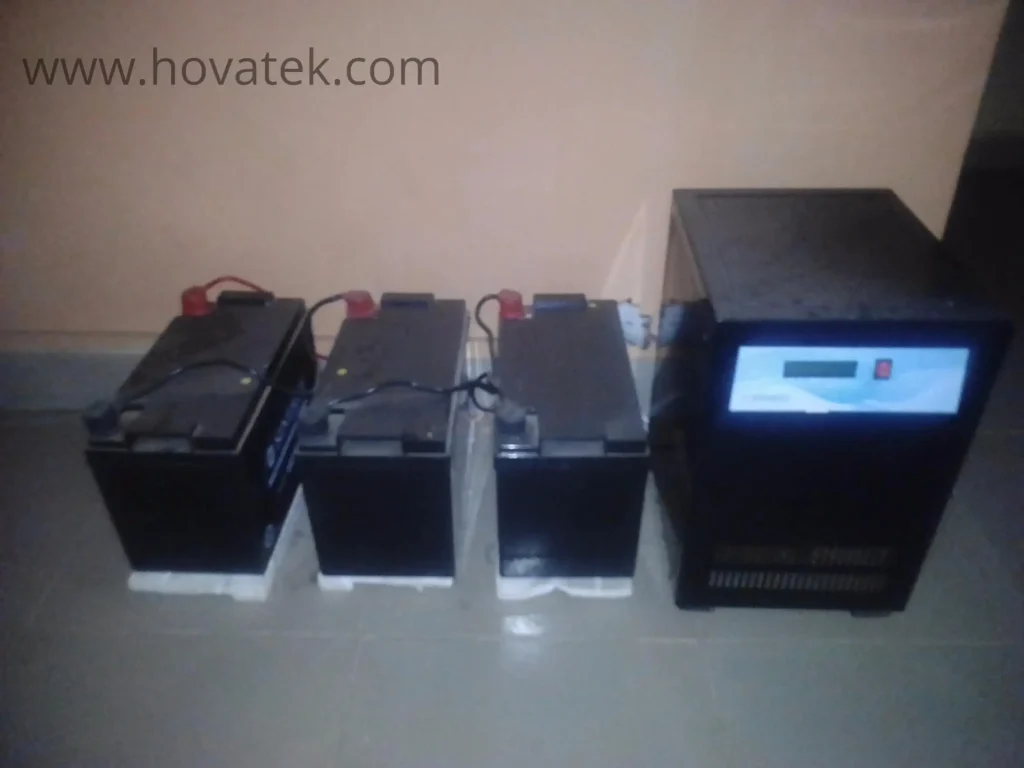
This was a 36V 2.5kVA Sinergy Transformer-based Inverter with three 100Ah Sinergy batteries connected in series. It could power all my loads, but had a small battery bank. Unfortunately, we had frequent power outages at the time, so I had to minimise my load to the basics to extend uptime. I used this setup for about a year.
My Second Inverter Setup: 48V
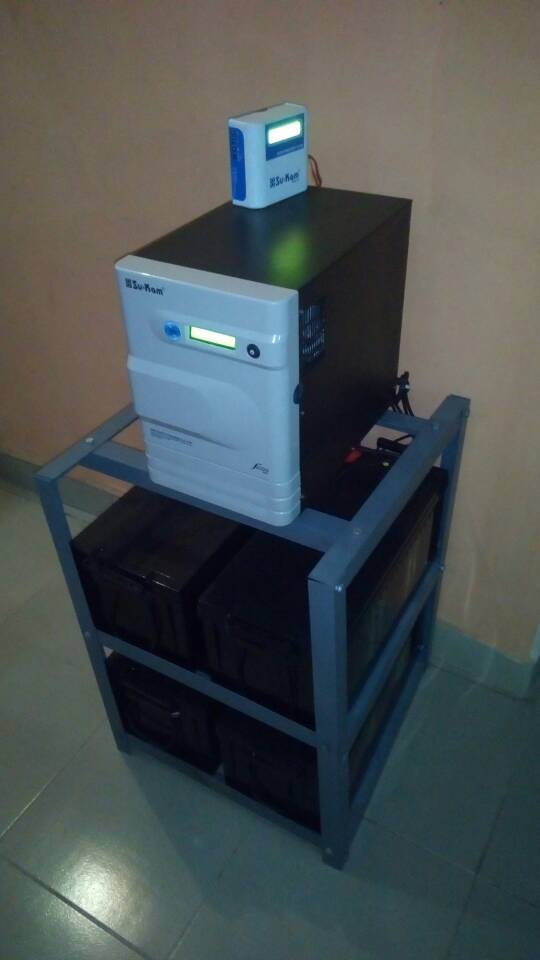
This was a 48V 3.5kVA Su-Kam Transformer-based Inverter with four 200Ah Su-Kam batteries connected in series and to a Su-Kam BMS. It was a robust system for me and had great uptime because a 48V system draws significantly less current from the battery compared to 36V, 24V and 12V setups. Su-Kam won me over with the performance of this setup. I used it for about 6 years, and I’m convinced that the BMS helped the batteries to last that long
In case you’d like to know what a BMS does, watch this video:
My Third Inverter Setup: 12V
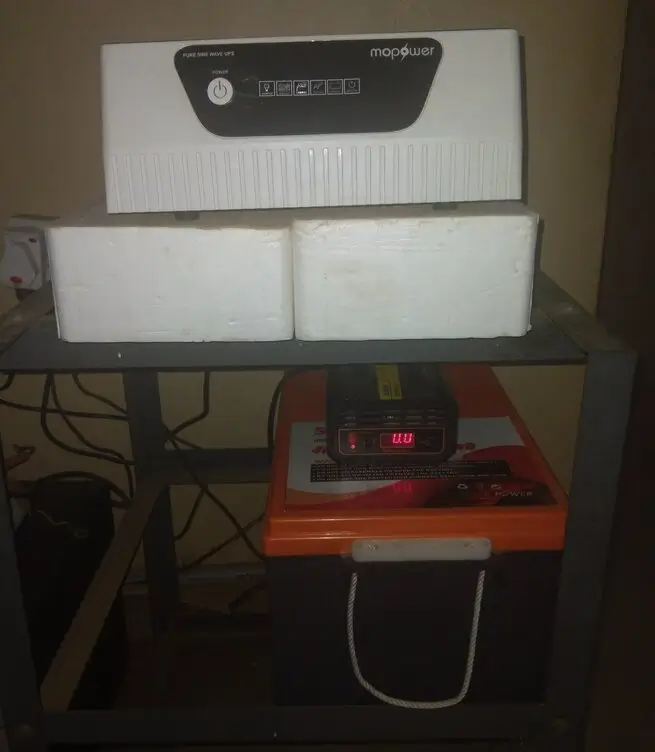
This was a 12V 1.05kVA Mopower Transformer-based Inverter with one 12V 3.5kWH Sukhig LiFePO4 battery connected to a Suoer SON-20A+ external charger. I had to get the external charger because the battery goes to sleep when fully discharged (to 0%), and the inverter can’t wake it up but can resume charging the battery once its boosted.
I got this as an emergency setup because one or two of the batteries in my previous setup started acting up. I was also planning on going solar at this point so I needed something to work with while I raised the money.
The battery performed OK, but it was somewhat sketchy. On the flip side, a 12V system draws the most Current from the battery of the four (12V, 24V, 36V & 48V), maybe that contributed to the battery’s relatively poor performance. Sukhig lost me as a customer with this setup. I’d just discovered Mopower (since they seemed similar to Su-Kam) and was eager to give them a shot. I later began to suspect that Mopower isn’t as powerful as Su-Kam of the same power rating. I was also trying LiFePO4 batteries against the Dry Cell batteries which I was used to.
My Fourth Inverter Setup: 24V
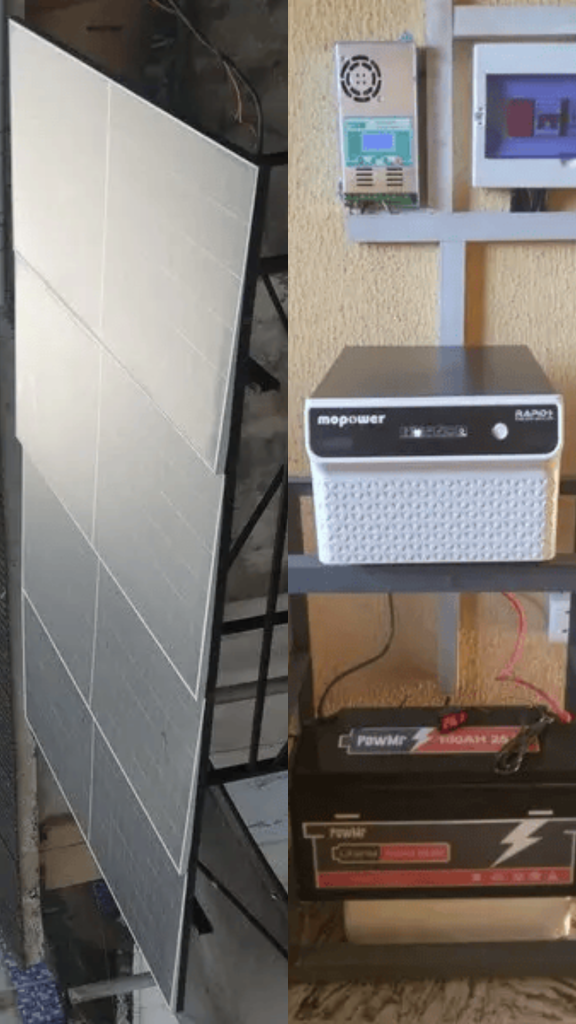
This is a 24V 2.5kVA Mopower Transformer-based Inverter with one 24V 2.5kWH PowMr LiFePO4 battery. On the solar side are four 12V 580W Monocrystalline Jinko panels and a 60A PowMr MPPT charge controller.
I had originally intended to buy 500W panels, but those were out of stock on Fouani so I had to opt for 580W panels, which were at the edge of the Open-Circuit Voltage (Voc).
Mopower has lost me as a customer in this setup because they don’t handle loads as rated. I’m convinced that Su-Kam is superieor. I’ll upgrade the inverter to a Su-Kam 3.5kVA 24V and maybe upgrade the controller to 100A in the future.
My Verdict
I find the 36V system to be the rarest of them all, and I only bought it because I got a deal. A 12V system is the cheapest to set up and can give you a bang for your buck if you get the right configuration and go for reputable brands. A 48V system is robust. It gives you longer uptime and the least strain on the batteries, but you’ll spend more on batteries. A 24V system is the sweet spot between cost and performance if purchased from solid brands.
I’ll write another blog post for those who need advice/help figuring out a correctly sized or pocket-friendly Inverter Setup, but would like to clarify a few things here:
Solar Generator VS Traditional Inverter Setup + Solar Panels
One question I get asked a lot by people looking to go solar like me, is whether a Solar Generator is worth the investment. Nigeria is an oil-producing Nation, but here we are talking about going solar instead of using cheap fuel…but away from that.
A solar setup consists of the following components:
- An Inverter which converts DC to AC so your household appliances can use the power stored in the battery bank
- A Battery which stores power
- A Charge Controller which regulates the Voltage and Current coming from your Solar Panels to charge the Battery
- Solar Panels which convert sunlight into electricity using the photo-voltaic effect
- A BMS (optional), which ensures that the battery cells are properly charged/discharged
Note: There may be other components like breakers, external chargers, etc., depending on your setup and use case.
Here’s what a Solar Generator looks like:
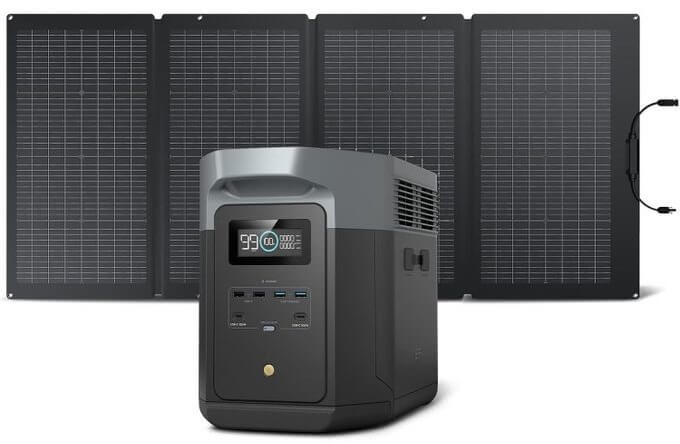
As you can see, all the components I listed above are combined in one unit, except the Solar Panels.
Here’s what an Inverter Setup + Solar panels looks like
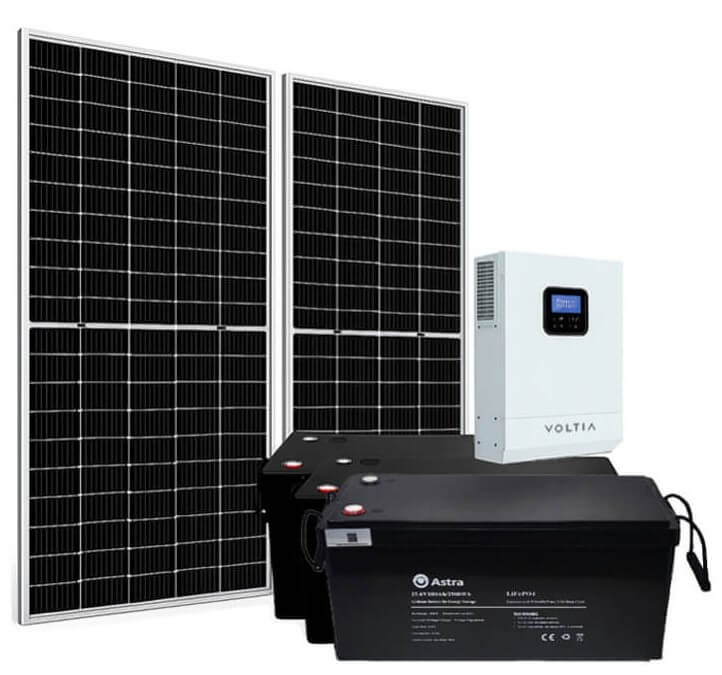
As you can see, this is more modular but bulky.
My Take
The primary benefit of Solar Generators is mobility, so they’re better suited if you need a small system that can easily be moved from one place to another; think camping, travelling, picnics, etc. The downside is cost (they’re quite expensive for the output you get), and you can’t easily replace or upgrade a component.
A traditional inverter setup, on the other hand is more rugged and gives you more output (at a given cost) compated to a Solar Generator. It’s also more modular, so you can easily trace faults, replace or upgrade components. However, it is bulky and cant be easily moved around because of its size and wire connections.
Transformer-based VS Transformerless Inverters
As the names imply, a Transformer-based Inverter includes a transformer, while a Transformerless Inverter doesn’t. A transformer steps up or down the Voltage to match the needs of the appliances, provides galvanic isolation for electrical safety, and provides robust load handling.
Transformerless inverters are often cheaper and more efficient. They have seen great improvement and adoption over the years. This is because they’re lighter and use electronic components, although they offer less protection against surges and lack galvanic isolation.
My Take
If you intend to power inductive loads like water pumps, blenders, freezers, air conditioners, washing machines, etc., then a Transformer-based inverter would be a better purchase due to its heavy-duty nature. You can still use a Transformerless inverter in such cases but risk serious wear and tear.
Wet Cell VS Dry Cell Vs LiFePO4 Batteries
Wet Cell batteries have long lifespans, relatively cheap upfront cost and permit deep discharge, although they are bulky, require maintenance (topping up with distilled water, cleaning corroded terminals and charge equalisation) and emit harmful fumes (hence the need for proper ventilation). This is why they’re better placed outdoors. Dry cell batteries are sealed and maintenance-free. They have shorter life spans. LiFePO4 batteries are sealed, maintenance-free and have a long life span, although with a high upfront cost.